 Neil Fox Agency
Jockey Review: Search and Reuse Your Video Archive
A closer look at Jockey's archive search and clip assembly, with practical checks for context, permissions, and editing time.
Jockey can search a footage library with natural-language prompts and assemble selected clips into an MP4. For creators with large archives, it may speed up reuse; verify the context, timestamps, and permissions before publishing.
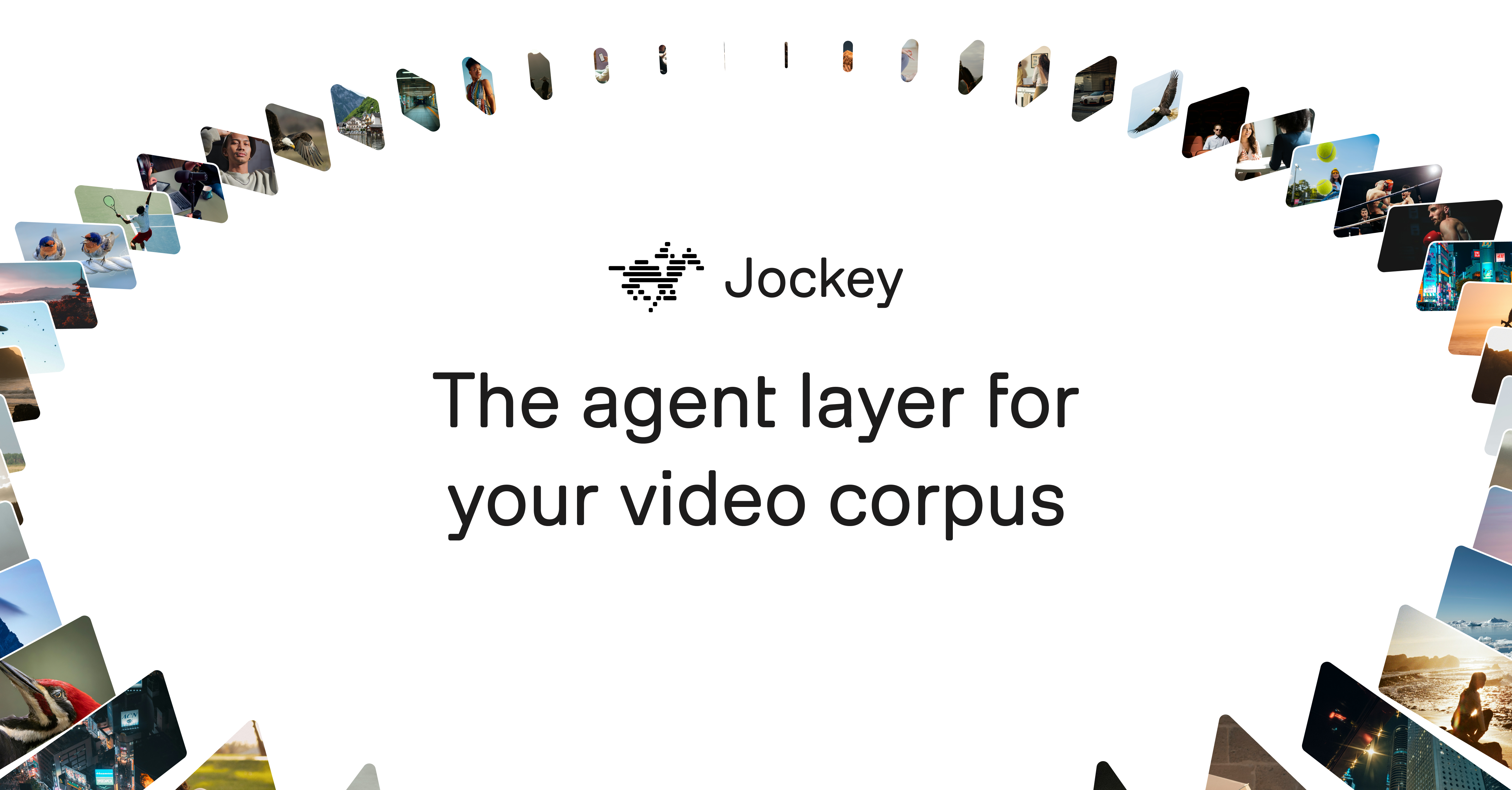

What Jockey says it can do
The Product Hunt launch and TwelveLabs’ product page describe Jockey as a way to search video and photo libraries without relying on filenames or manual tags. Its interface is presented as reading clips scene by scene, grouping media, and letting a user ask for an assembly that can be refined and exported as an MP4. These are vendor-described capabilities, not results we independently benchmarked.
That distinction matters for creators: semantic search can help you locate a moment described in ordinary language, but it does not establish that the resulting timestamp is exact, the clip is the best take, or the footage is cleared for a new use. Think of Jockey as an archive-navigation layer, then review the actual source file in your normal editing workflow.
Where a YouTube creator might use it
A creator with years of interviews, product demonstrations, event footage, or behind-the-scenes clips could search for a quote, a location, a specific object, or a visual beat before building a new Short. A sponsor-facing team might also use an archive to find approved product shots or a past creator introduction, provided the rights and campaign terms still allow that reuse.
The most useful first experiment is narrow: choose a small set of footage you own or are authorized to process, ask for a handful of moments you can verify, and compare the time required with your current folder search. Do not upload confidential client footage, unreleased products, or other people's material until you understand the product's data handling and have permission.

Verify every result before editing or publishing
Search tools can return a nearby scene rather than the exact sentence, miss a negation, or select a visually similar but contextually wrong shot. Open the source around the proposed timestamp, listen to the full exchange, and confirm that a quotation has not been clipped into a misleading statement. Check captions and names against the original recording rather than treating generated descriptions as transcripts of record.
Also review music, logos, faces, location permissions, release forms, and sponsor usage rights. A searchable archive does not grant a license to republish footage. If the clip will become an endorsement, the creator should preserve the factual meaning and follow current disclosure and platform requirements for the relationship.
Who should consider it—and who can wait
Jockey looks most relevant to creators or production teams with enough organized footage that finding a moment is a recurring bottleneck. A creator who records a few short clips per week and already remembers where they are may get little value from another archive system. Before committing, check supported storage sources, processing limits, export options, pricing, and whether the actual search quality works on your accents, camera angles, and footage types.
A low-risk pilot is the best next step: use a representative, authorized sample, record how often you correct a result, and compare editing time saved with storage and subscription costs.
Key takeaways
- Use natural-language search to find candidates in a large archive, not to make final editorial decisions.
- Verify timestamps, meaning, rights, and sponsor permissions in the original footage.
- Pilot with a small, authorized media set and compare it with your current workflow.
Working checklist
- Pick a specific archive-search task and baseline the time it takes today
- Use footage you own or are authorized to process
- Verify each result against the original video and surrounding context
- Check music, releases, privacy, and sponsor reuse rights
- Review storage, pricing, export, retention, and team-access terms
- Keep a human editor responsible for final cuts and claims
Common questions
Can Jockey find a quote inside a YouTube video archive?
TwelveLabs describes natural-language search across video libraries. Treat results as candidate moments and verify exact wording and timestamps in the source recording.
Does Jockey replace a video editor?
The public product page describes search, clip review, assembly, refinement, and MP4 export. It does not establish that every creator can replace a full editing workflow with it.
Does finding a good hook prove a Short will perform well?
No. Finding a moment can help with editing, but it does not predict audience response, retention, distribution, or views.
Should I upload client or sponsor footage?
Only after checking the product's data terms and confirming that you have permission to process and reuse the material for that purpose.
Primary sources
Platform policies and legal guidance can change. Review the official source relevant to your campaign; this guide is general educational information, not legal advice.

Neil Fox
Neil Fox founded Neil Fox Agency to help consumer brands and YouTube creators build thoughtful sponsorship partnerships. He works on creator research, outreach, campaign coordination, and practical reporting, with clear scope and respect for the people who make the content.